

Proximity Sensor Test Helps Ensure Smooth Device Interaction Quality
Proximity sensor testing plays a vital role in ensuring smooth and reliable device interaction. It verifies how accurately a device detects nearby objects and responds with appropriate actions such as turning off display, optimizing touch response, or enhancing energy efficiency. This testing process helps maintain consistent performance, improves usability, and ensures a seamless user experience across different usage conditions and environments.
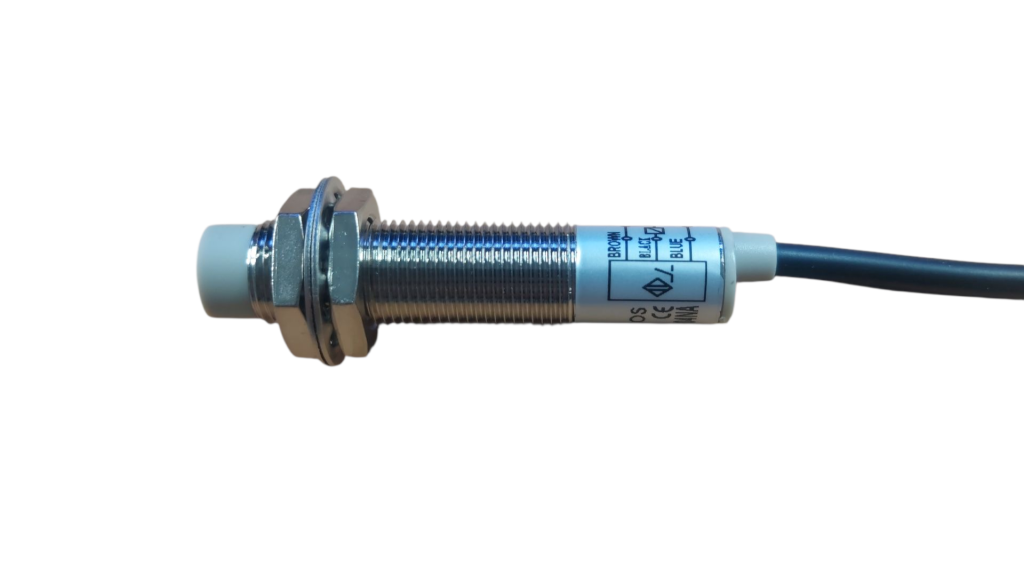
Understanding Proximity Sensor Testing
Proximity sensor testing focuses on evaluating how effectively sensors detect presence and absence of objects near a device surface. It ensures responsive transitions and accurate signal interpretation. The process supports smooth automation features and helps maintain precision in various usage scenarios. Reliable testing also contributes to reducing false triggers and improving interaction stability.
Key Benefits of Sensor Testing
Sensor testing delivers multiple advantages that enhance device reliability and responsiveness across different conditions and environments, ensuring consistent interaction quality and improved user satisfaction through accurate detection and optimized system performance. Educational labs demonstrate how to test a proximity sensor clearly, helping students understand real-world applications and sensor behavior deeply.
- Improved detection accuracy for seamless interaction experiences
- Reduced false activations for stable system behavior
- Enhanced energy efficiency through smart responsiveness control
- Better adaptation to lighting and environmental changes
- Increased user comfort with smooth automated responses
- Stronger device reliability across varied usage conditions
How Testing Improves User Experience
Effective proximity sensor testing directly enhances user experience by ensuring devices respond instantly and appropriately when users interact with screens or surfaces. It minimizes delays, prevents accidental touches, and improves smooth automation. This leads to more intuitive usage, higher satisfaction, and better trust in device performance during daily operations.
- Faster response to hand or object proximity detection signals
- More accurate screen behavior during user interaction moments
- Reduced unintended actions improving overall interface reliability
- Smooth transition between active and inactive device states
- Enhanced usability in diverse lighting and usage conditions
- Improved consistency for everyday device handling experience
Core Evaluation Areas in Testing
Proximity sensor testing evaluates several key areas to ensure high performance and reliability. It examines detection range, response speed, environmental adaptability, and consistency across repeated interactions. This structured evaluation ensures devices function efficiently and deliver smooth interaction quality under different usage conditions.
- Detection range accuracy under varying proximity distances and angles
- Response time measurement for real-time interaction efficiency
- Sensitivity calibration for different environmental conditions and surfaces
- False trigger reduction across dynamic usage scenarios
- Stability checks for continuous and repeated activation cycles
- Performance consistency across diverse device operating environments
Overall Impact on Device Quality
Proximity sensor testing significantly strengthens overall device quality by ensuring precise interaction behavior and dependable performance. It supports smooth automation, enhances user satisfaction, and promotes consistent responsiveness. Through structured evaluation, devices achieve better stability and improved operational efficiency across various usage scenarios.
- Consistent sensor reliability across all interaction conditions
- Improved device efficiency through optimized detection systems
- Enhanced automation accuracy for smoother user experience
- Strong stability ensuring long-term operational performance quality