

Trying Cincinnati Chili for the First Time: What Locals Want You to Know
Hot take: if you walk into Cincinnati chili expecting “a bowl of chili,” you’re already off track.
This isn’t Texas. It’s not a stew. It’s not a chunky, bean-forward campfire situation. Cincinnati chili is a system, a spiced meat sauce designed to be layered, topped, and eaten like the city’s been doing it for decades. Once you stop arguing with the name, it gets really good.
One line of advice before you even order:
Don’t overthink it.
So what is Cincinnati chili, exactly?
Technically: a finely textured, simmered meat sauce (usually lean ground beef) seasoned with a spice profile that reads almost Mediterranean, cinnamon, clove, allspice, plus a bit of cocoa depth and a tangy edge that often comes from vinegar. Tomato is there, but it’s not running the show.
Practically: it’s what you put on spaghetti and hot dogs when you live here, especially if you’re trying the famous Cincinnati Chili for the first time.
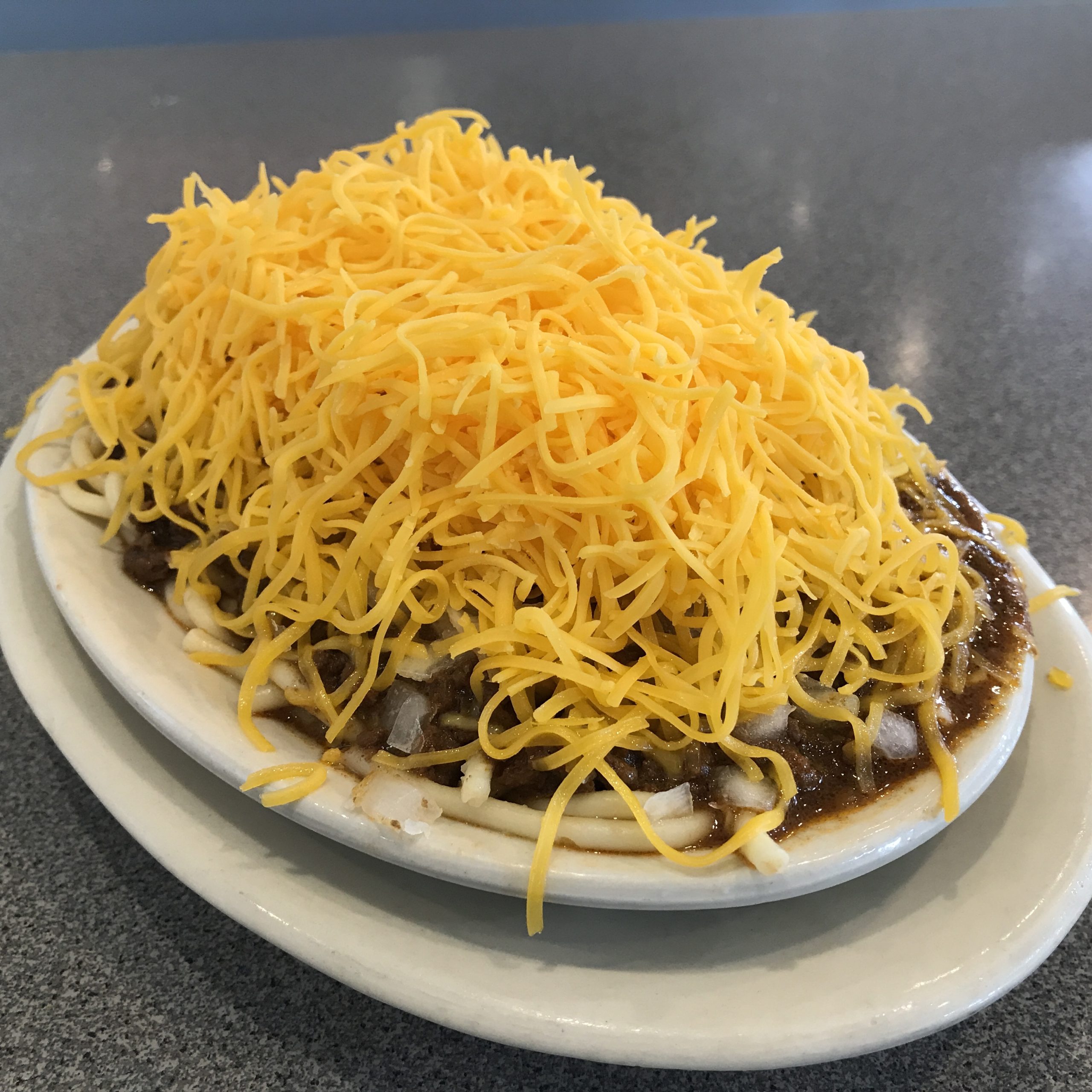
The texture surprises people. It’s smooth, loose, and saucy, with the meat broken down so it coats noodles instead of sitting on top in crumbles. That’s intentional. Cincinnati chili is built for coverage.
Now, this won’t apply to everyone, but most first-timers who “don’t like it” are fighting the sweetness-warmth combo instead of tasting it the way it’s meant to be eaten: layered with cold cheese, sharp onion, and starch to soak it all up.
The origin story (quick, but real)
Cincinnati chili traces back to Macedonian/Greek immigrant restaurateurs in the early 20th century, adapting spiced meat sauces for American diners and stretching the format into something fast, filling, and repeatable. That immigrant-through-a-midwestern-filter DNA is why it doesn’t map cleanly onto other “chilies.”
If you want a hard date to hang your hat on: Skyline Chili, arguably the best-known chain, was founded in 1949 (Skyline’s company history notes this directly). Source: https://www.skylinechili.com/about/
That’s not ancient history, but in restaurant years, it’s practically carved in stone.
Ordering without sounding like you’re reading a script
You’ll hear locals talk in “Ways,” and yes, it’s a little culty. You get used to it fast.
The core lineup (the version you’ll actually see on menus)
– 2-Way: spaghetti + chili
Barebones. Good for tasting the sauce itself, though I find it kind of joyless.
– 3-Way: spaghetti + chili + shredded cheddar
The default. Cold cheese melting into hot sauce is the whole point.
– 4-Way: add onions or beans
Which one depends on the shop; many specify “4-Way Onion” or “4-Way Bean.”
– 5-Way: spaghetti + chili + cheese + onions + beans
Big, messy, and, when it’s done well, oddly balanced.
Here’s the thing: you’re not stacking flavors randomly. You’re building contrast. Soft pasta, warm spiced sauce, cold dairy, sharp onion. It’s engineered.
A note on portion behavior
Some places do “small” and “regular,” some do “single/double,” and some just drop a plate in front of you that could anchor a small boat. If you’re new, go smaller than your ego suggests. You can always add a coney later.
“Why does it taste like cinnamon?” (and the chocolate question)
Because it’s supposed to.
Cinnamon in Cincinnati chili isn’t trying to be cute. It’s doing structural work. It lifts aroma, rounds the meat, and keeps the sauce from tasting flat once it hits spaghetti. Cocoa plays a different role: it deepens the base note and smooths any harsh edges from vinegar and spice.
Opinionated but true: when people say they taste “chocolate chili,” they usually mean they taste bitterness or warm spice and their brain grabs the closest label. Good Cincinnati chili doesn’t taste like dessert. It tastes like a savory sauce with a perfumed finish.
Too much cinnamon, though? You’ll know. Suddenly you’re at a holiday craft fair.
The “Ways” aren’t the whole world: coneys, crackers, hot sauce
Some meals in Cincinnati are basically one of these two:
A way.
A coney.
A Cincinnati coney is a hot dog on a soft bun with chili, mustard, and onions, usually with a mountain of shredded cheddar. It’s not optional. It’s the side dish people order like a main.
Crackers show up automatically in many spots. Use them. They add salt, crunch, and a little breathing room between bites.
Hot sauce is available too. Use a light hand at first (I’ve seen rookies drown the whole plate and then complain it “all tastes the same”).
Where should a beginner go?
Look, the “best spot” debate can get weirdly intense. Locals have loyalties that resemble sports fandom, and no one’s changing teams because you read a listicle.
So I’ll give you a beginner’s strategy instead of declaring a winner:
- Start with a major institution (Skyline, Gold Star, or another long-running parlor). Consistency matters when you don’t have a baseline.
- Order a 3-Way and one coney. That combo teaches you the whole vocabulary.
- Then try a smaller independent shop and see what changes: spice intensity, tang level, thickness, cheese shred, onion cut, sauce-to-noodle ratio.
In my experience, the first place you try becomes your “reference chili,” even if it’s not your eventual favorite. Your brain wants an anchor.
Toppings and customizations (don’t turn it into a salad bar)
A lot of people treat toppings like a personality test. Chill.
Cincinnati chili already has complexity baked in. The toppings are there to create temperature and texture contrast, not to show off your ability to click buttons on a kiosk.
A good first-timer progression:
– 3-Way as written
– 4-Way Onion if you like bite and brightness
– 5-Way only if you genuinely enjoy beans (they change the mouthfeel a lot)
Extra cheese is common, but if you go too heavy you flatten the spice. It becomes salty dairy paste (still edible, just less interesting).
And please, this is me talking like a friend, don’t ask for cinnamon on top. The kitchen already did the math.
Etiquette: the unspoken rules people won’t announce to you
You can do whatever you want. No one’s going to throw you out. But if you want to eat like you belong:
– Don’t cut the spaghetti like a toddler. Twirl or scoop; it’s a plate, not a physics problem.
– Try a few bites before you modify. Especially before hot sauce.
– Order using the “Way” terms if the menu uses them; it speeds things up and avoids the “so… you want spaghetti with chili and cheese?” back-and-forth.
– Respect the weirdness. The fastest way to annoy locals is announcing it’s “not real chili.” They know. They like it anyway.
One more thing: if you hate it after a fair try, that’s fine. But if you hate it because you expected Texas chili, that’s on you.
Final thought (not a pep talk, just reality)
Cincinnati chili rewards people who stop treating it like a category and start treating it like a regional dish with its own rules. Order a 3-Way. Add a coney. Let the cinnamon do its job. Then decide what you think.